
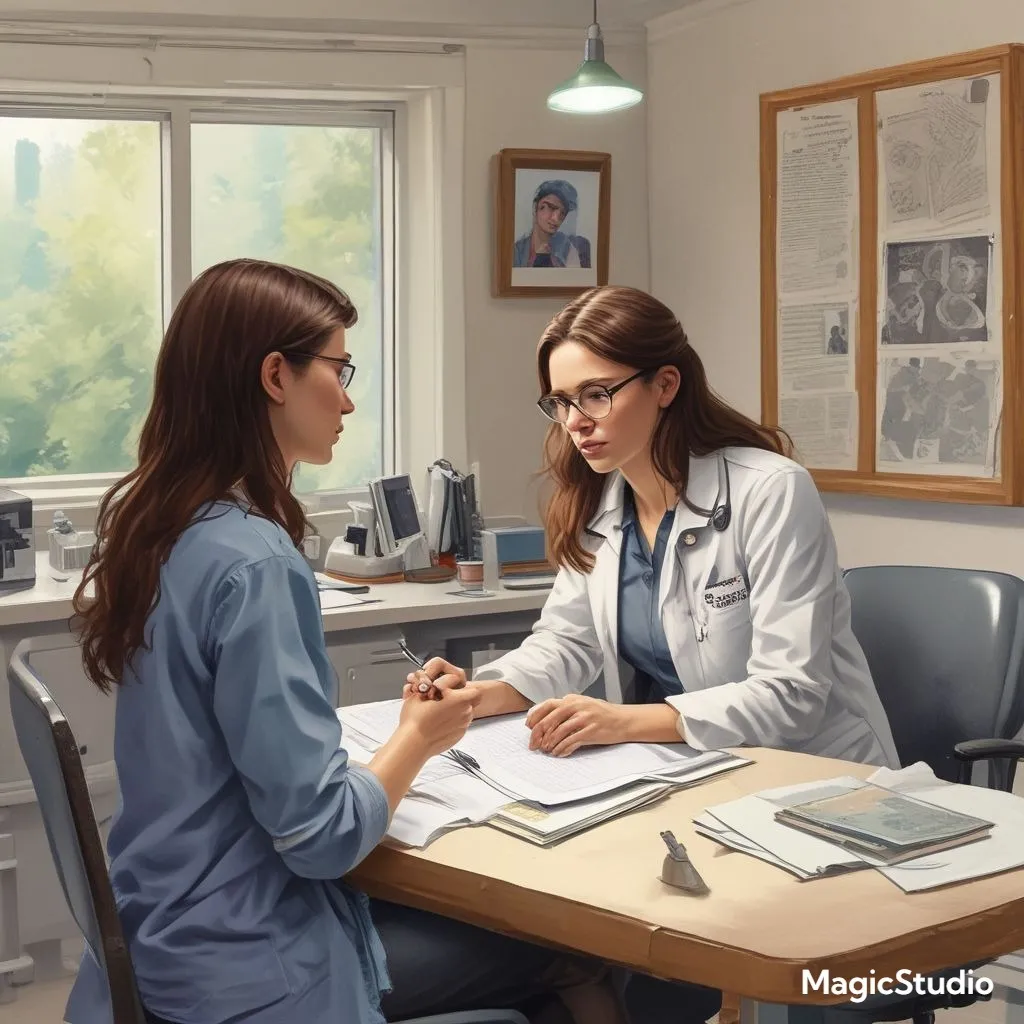
Why Do Suicides Happen?
The Brain Science, Broken Down by a Psychiatrist in Jaipur, India
“People don’t want to die. They just don’t know how to keep living.”
Let that sink in. One person dies by suicide every 40 seconds. That’s a friend, a sibling, a colleague — gone. Quietly. And often, no one saw it coming.
We keep telling ourselves, “Suicide is preventable.” But how?
Not just by checking on someone or giving motivational speeches. We need to understand what’s really happening — inside the brain.
Let’s break it down.
Is suicide really about depression?
Not exactly. Depression is just the tip of the iceberg.
Suicide is a full-blown brain system malfunction.
Imagine a band where:
- The drummer (emotions) is going wild.
- The guitarist (logic) has stormed off stage.
- And the keyboard (hope) is just... dead silent.
This is what happens when your prefrontal cortex (the logical part) stops working properly, and your amygdala (the panic button) goes berserk.
Even a small fight or failure starts to feel like the end of the world. You literally can’t think straight — the brain is stuck in a loop of emotional chaos.
Why does nothing feel worth it during suicidal phases?
Because the brain’s reward circuit goes numb.
Your brain normally gets tiny hits of dopamine — a kind of 'feel-good spark' — when something positive happens. But in suicidal brains, that spark fizzles out.
No excitement. No pleasure. No point in anything.
It’s not about being lazy or ungrateful. It’s about a malfunctioning dopamine system, especially in areas like the nucleus accumbens and VTA. Everything feels bland. Lifeless. Grey.
How does stress mess with the brain?
Chronic stress isn’t just tiring. It’s toxic to the brain.
Your HPA axis — the stress system — gets stuck in overdrive. Cortisol (the stress hormone) keeps flooding your body. Eventually:
- Your hippocampus (which helps calm you down) stops working.
- You’re constantly on edge.
- A small mistake feels like a disaster.
Think of it like driving with the brakes burned out and the engine overheating — all the time.
Can trauma and genes increase suicide risk?
Oh yes. And this part is wild: your DNA can carry trauma memories.
It’s called epigenetics. Basically, trauma adds chemical “tags” on your genes, changing how your brain reacts to stress.
Genes involved:
- 5-HTTLPR – makes you impulsive under stress.
- BDNF – messes with recovery and brain plasticity.
- FKBP5 – goes haywire in trauma responses.
This means early-life stress can literally rewire your brain to react differently to life — often in dangerous ways.
Why are some suicides so sudden and impulsive?
Because the brain gets hijacked.
- The amygdala screams “Emergency!”
- The prefrontal cortex can’t take control.
- Serotonin, your internal “brake system,” is on a break.
That’s why impulsive suicides often happen within minutes of a trigger. One bad text, one rejection, one argument — and boom, the brain spirals.
Sometimes, just a small delay, a locked door, or a quick distraction can be enough to stop a life-altering decision.
Is suicide genetic?
Not directly. But there are risk genes that make people:
- More sensitive to stress,
- More impulsive,
- Or less able to regulate emotions.
Mix that with environmental stress — trauma, pressure, abuse — and the risk climbs fast.
What’s dopamine’s role in suicidal thinking?
Dopamine is motivation. It’s what gives you the drive to get up, move, and enjoy life.
In suicidal brains, dopamine is MIA.
No joy. No drive. Just emptiness.
People don’t feel sad all the time — they often feel nothing at all. That scary emotional blankness is often what pushes people to the edge.
Can brain inflammation lead to suicide?
Shocking but true — yes.
Recent studies show high levels of inflammation in suicidal individuals. Elevated markers like CRP and IL-6 disrupt brain function, increase mood swings, and mess with impulse control.
So in some cases, we’re not just looking at a chemical problem. We’re looking at a biological fire inside the brain.
So what do we do with all this?
We start looking at suicide for what it really is: a complex brain breakdown, not just “sadness” or “attention-seeking.”
We:
- Treat depression,
- Balance neurotransmitters,
- Build stronger cognitive control,
- Reduce inflammation,
- Offer real human connection.
Sometimes, saving a life isn’t about saying the perfect thing. It’s about understanding what’s happening in the brain — and holding space while it heals.
Need help or know someone who might?
Reach out to Dr. Shariq Qureshi — Best Psychiatrist in Jaipur Rajasthan — who offers compassionate, neuroscience-backed care for depression, suicide prevention, and emotional trauma.
Dr Shariq Qureshi - Best Psychiatrist in Jaipur
J, 2/37, Pandya Hospital, Mahavir Marg, opposite Jai Club, C Scheme, Jaipur, Rajasthan 302001
070278 15567
Keywords